
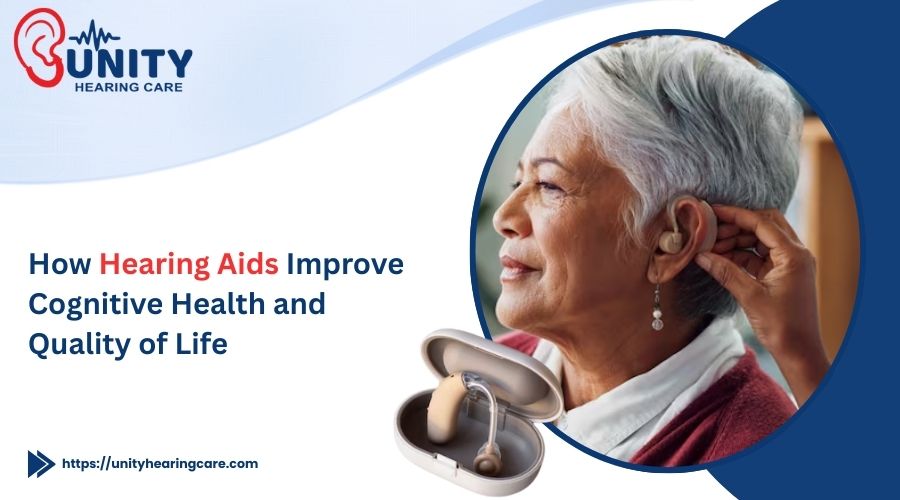
How Hearing Aids Improve Cognitive Health and Quality of Life
Hearing loss is often considered a normal part of aging, but its impact goes far beyond difficulty in hearing sounds. Research shows a strong connection between cognitive decline and hearing loss, especially in older adults. When hearing problems are left untreated, they can affect memory, concentration, communication skills, and emotional health.
The good news is that hearing aids improve cognitive health and significantly enhance overall well-being. With proper hearing loss treatment, individuals can protect their brain function and improve their daily quality of life.
Understanding the Connection Between Hearing and Brain Health
Our ears and brain work together. When hearing ability decreases, the brain has to work harder to process unclear sounds. This extra effort can overload cognitive resources, leaving less energy for memory and thinking tasks.
Studies suggest that untreated hearing loss may increase the risk of dementia and memory-related disorders. This is why early hearing loss treatment is essential.
Modern digital hearing aids restore clearer sound signals to the brain. When the brain receives proper auditory input, it functions more efficiently, reducing the risk of cognitive decline.
How Hearing Aids Improve Cognitive Health
There are several ways hearing aids improve cognitive health and protect brain performance:
- 1. Reduce Cognitive Load : When sounds are amplified clearly, the brain no longer struggles to interpret speech. This reduces mental fatigue and preserves memory strength.
- 2. Improve Communication Skills : Clear hearing improves conversations with family, friends, and colleagues. Strong communication keeps the brain engaged and active.
- 3. Prevent Social Isolation : Many individuals withdraw from social situations due to hearing difficulties. Isolation increases the risk of depression and cognitive decline. Hearing aids for seniors help maintain social connections, which supports mental health.
- 4. Support Memory and Attention : Better sound clarity improves focus and listening ability, which helps maintain attention span and memory performance.
Benefits of Hearing Aids Beyond Brain Health
The benefits of hearing aids extend beyond cognitive improvement. They positively impact many aspects of life.
- Improve Quality of Life :When you can hear clearly, daily activities become easier and more enjoyable. Conversations are smoother, relationships improve, and confidence increases.
- Emotional Well-being :Untreated hearing loss often leads to frustration and anxiety. Proper hearing support reduces stress and boosts emotional stability.
- Workplace Productivity :Clear hearing improves professional communication, meetings, and productivity.
- Safety and Awareness :Hearing important sounds like traffic, alarms, and alerts increases safety in everyday life.
Modern digital hearing aids are designed with advanced features such as noise reduction and automatic sound adjustments, providing a comfortable and natural listening experience.
Hearing Aids for Seniors: Protecting Brain Health Early
Age-related hearing loss is common, but it should never be ignored. Early diagnosis and professional hearing loss treatment can slow down the impact of cognitive decline.
Many families choose hearing aids for seniors because they:
- Maintain independence
- Improve social interaction
- Reduce risk of memory issues
- Enhance overall quality of life
Seeking help from a professional hearing care clinic ensures accurate testing and proper device fitting.
The Role of a Professional Hearing Care Clinic
Choosing the right hearing care clinic is important for effective treatment. A professional clinic provides:
- Comprehensive hearing evaluation
- Customized hearing aid fitting
- Guidance on device usage
- Regular follow-ups and adjustments
Expert support ensures that hearing aids improve cognitive health effectively and deliver long-term benefits.
Hearing Health Awareness and Early Action
Spreading hearing health awareness is crucial in preventing long-term complications. Many people ignore early signs of hearing problems, which can worsen over time.
Common signs include:
- Asking people to repeat frequently
- Increasing TV volume
- Difficulty understanding speech in noisy places
- Avoiding social gatherings
If you notice these symptoms, consult a hearing specialist immediately. Early hearing loss treatment makes a significant difference in preserving cognitive function.
Why Early Hearing Support Matters
The earlier hearing loss is addressed, the better the outcomes. When hearing is restored through advanced digital hearing aids, the brain receives proper stimulation. This continuous stimulation helps maintain neural connections and reduces the risk of cognitive decline.
Ignoring hearing loss allows the brain’s auditory centers to weaken over time. Taking action protects not only your hearing but also your mental sharpness and emotional health.
Conclusion
Hearing loss is not just an ear problem—it is closely connected to brain health. Research clearly shows that cognitive decline and hearing loss are linked. However, the solution is available.
Hearing aids improve cognitive health by reducing mental strain, supporting memory, preventing social isolation, and enhancing communication. They also help improve quality of life by boosting confidence, emotional well-being, and independence.
If you or your loved one experiences hearing difficulties, do not delay seeking professional help. Visiting a trusted hearing care clinic for proper hearing loss treatment can protect long-term brain health and overall well-being.
Protect your hearing. Protect your brain.
Book a professional hearing test today.
Visit our expert hearing care clinic and explore advanced digital hearing aids designed for your needs..
FAQs – How Hearing Aids Improve Cognitive Health & Life
1. How does hearing loss affect cognitive health?
Untreated hearing loss increases mental strain and may contribute to memory problems and cognitive decline.
2. Do hearing aids really improve cognitive health?
Yes, hearing aids improve cognitive health by restoring clear sound signals and reducing brain fatigue.
3. Are hearing aids only beneficial for seniors?
No. While hearing aids for seniors are common, adults of all ages with hearing loss can benefit.
4. How long does it take to see benefits?
Many people notice improved communication and reduced strain within a few weeks of proper hearing loss treatment.
5. Can hearing aids improve quality of life?
Yes, the benefits of hearing aids include better communication, improved confidence, enhanced safety, and stronger social connections.
